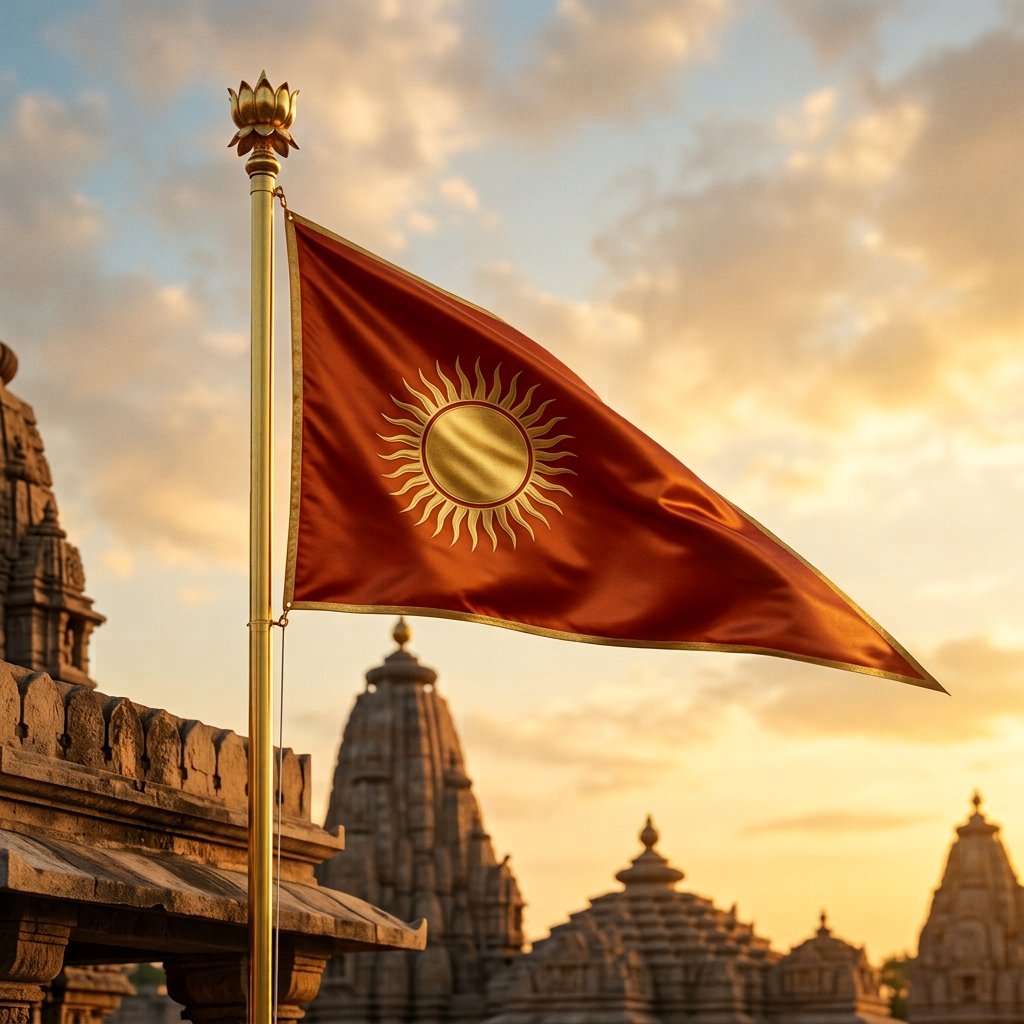
Causeless and unbroken
The supreme dharma is devotion that is 'ahaituky apratihata' - without ulterior motive, unimpeded (SB 1.2.6).
भक्ति
Also known as भक्तियोग · भगवच्छिक्षया · Bhakti-yoga
Bhakti is loving self-surrender to the Supreme: the crown of all dharmas in the Bhagavata. In SB 1.5: even falling immature in bhakti causes no inauspiciousness (1.5.17); the taste of Mukunda's service is matchless (1.5.19); the unfailing purpose of all tapas, shruti and sacrifice is the glorification of Uttamashloka (1.5.22); the cure for the threefold misery is action offered to the Lord (1.5.32).
Śrīmad Bhāgavata Mahāpurāṇa 1.2.6 — Sanskrit Wikisource (pinned oldid=110173)
The supreme dharma is devotion that is 'ahaituky apratihata' - without ulterior motive, unimpeded (SB 1.2.6).
The faithful, equipped with jnana and vairagya, see the self by devotion received from shruti: 'bhaktya shruta-grihitaya' (SB 1.2.12).
To the cheerful-minded engaged in bhakti-yoga, freed of other attachment, realization of the Lord's truth arises: 'bhagavat-tattva-vijnanam mukta-sangasya jayate' (SB 1.2.20).
Seeing the Lord in the self: 'bhidyate hrdaya-granthih chidyante sarva-samshayah kshiyante casya karmani' (SB 1.2.21).
'Ato vai kavayo nityam bhaktim paramaya muda vasudeve bhagavati kurvantyatma-prasadanim' (SB 1.2.22).
'Tyaktva svadharmam charanambujam hareh bhajanapakvo 'tha patet tato yadi' (SB 1.5.17).
'Etat samsucitam brahman tapa-traya-cikitsitam yad ishvare bhagavati karma brahmani bhavitam' (SB 1.5.32).
'Evam nrinam kriya-yogah sarve samsriti-hetavah ta evatma-vinashaya kalpante kalpitah pare' (SB 1.5.34).
'Yamadibhir yoga-pathaih... mukunda-sevaya yadvat tathatmadha na shyamyati' (SB 1.6.36).
'Sat-sevaya adirghaya te jata mayi dridha matih' (SB 1.6.24).
'atmaramas ca munayo nirgrantha apy urukrame kurvanty ahaitukim bhaktim' (SB 1.7.10).
'shrinvanti gayanti grinanty abhikshnashah smaranti nandanti tavehitam janah' (SB 1.8.36); the fruit is sight of the lotus feet that halt the flow of samsara.
'satsangan mukta-duhsango hatum notsahate budhah kirtyamanam yasho yasya sakrid akarnya rocanam' (SB 1.10.11).
'kim anyair asad-alapair ayusho yad asad-vyayah' (SB 1.16.6); the dull man's years are stolen by sleep at night and futile works by day (SB 1.16.9).
'tulayama lavenapi na svargam napunar-bhavam bhagavat-sangi-sangasya' (SB 1.18.13).
'tiraskrita vipralabdhah shaptah kshipta hata api nasya tat pratikurvanti tad-bhaktah prabhavo 'pi hi' (SB 1.18.48) — though indeed they have the power.
'prayena tirthabhigamapadeshaih svayam hi tirthani punanti santah' (SB 1.19.8); by mere remembrance houses are purified (SB 1.19.33).
'shrotavyah kirtitavyash ca smartavyash cecchatabhayam' (SB 2.1.5); the chanting of Hari's name is determined for all three — the dispassionate, the desirous and the yogis (SB 2.1.11).
'satyam kshitau kim kashipoh prayasaih' (SB 2.2.4); 'kasmad bhajanti kavayo dhana-durmadandhan' (SB 2.2.5).
'na hy ato 'nyah shivah pantha vishatah samsritav iha, vasudeve bhagavati bhakti-yogo yato bhavet' (SB 2.2.33); Brahma concluded the same after thrice surveying the Veda (SB 2.2.34).
'akamah sarva-kamo va moksha-kama udara-dhih, tivrena bhakti-yogena yajeta purusham param' (SB 2.3.10) — this verse overturns the entire list of desire-specific deities given at SB 2.3.2-9.
'tad ashma-saram hridayam batedam yad grihyamanair hari-namadheyaih na vikriyeta' (SB 2.3.24) — the heart unchanged by Hari's names is iron.
'etavan eva yajatam iha nihshreyasodayah, bhagavaty acalo bhavo yad bhagavata-sangatah' (SB 2.3.11).
'kirata-hunandhra-pulinda-pulkasha abhira-kanka yavanah khasadayah, ye 'nye ca papa yad-apashrayashrayah shudhyanti' (SB 2.4.18).
'shrinvatah shraddhaya nityam grinatash ca sva-ceshtitam, kalena natidirghena bhagavan vishate hridi' (SB 2.8.4); entering by the ear He clears the impurity as autumn clears water (SB 2.8.5).
Devotion is declared the highest dharma of human beings: 'sa vai pumsam paro dharmo' (SB 1.2.6). Evidence: EXPLICIT.
That supreme dharma is devotion to Adhokshaja (Krishna): 'yato bhaktir adhokshaje' (SB 1.2.6). Evidence: EXPLICIT.
Bhakti-yoga applied to Vasudeva quickly begets detachment: 'janayaty asu vairagyam' (SB 1.2.7). Evidence: EXPLICIT.
Bhakti-yoga quickly begets causeless knowledge: 'jnanam ca yad ahaitukam' (SB 1.2.7). Evidence: EXPLICIT.
Hearing of Krishna dwells in the heart and 'shakes away' the inauspicious (SB 1.2.17), so that the states of rajas - lust, greed and the like - are removed (SB 1.2.19). Evidence: EXPLICIT chain (1.2.17-19).
Bhakti, with hearing of the Lord, removes the tamas-state together with rajas (SB 1.2.17-19). Evidence: EXPLICIT chain.