People in it: short-lived, dull, misguided, unlucky, troubled
'Prayenalpayushah... mandah sumanda-matayo manda-bhagya hy upadrutah' (SB 1.1.10).
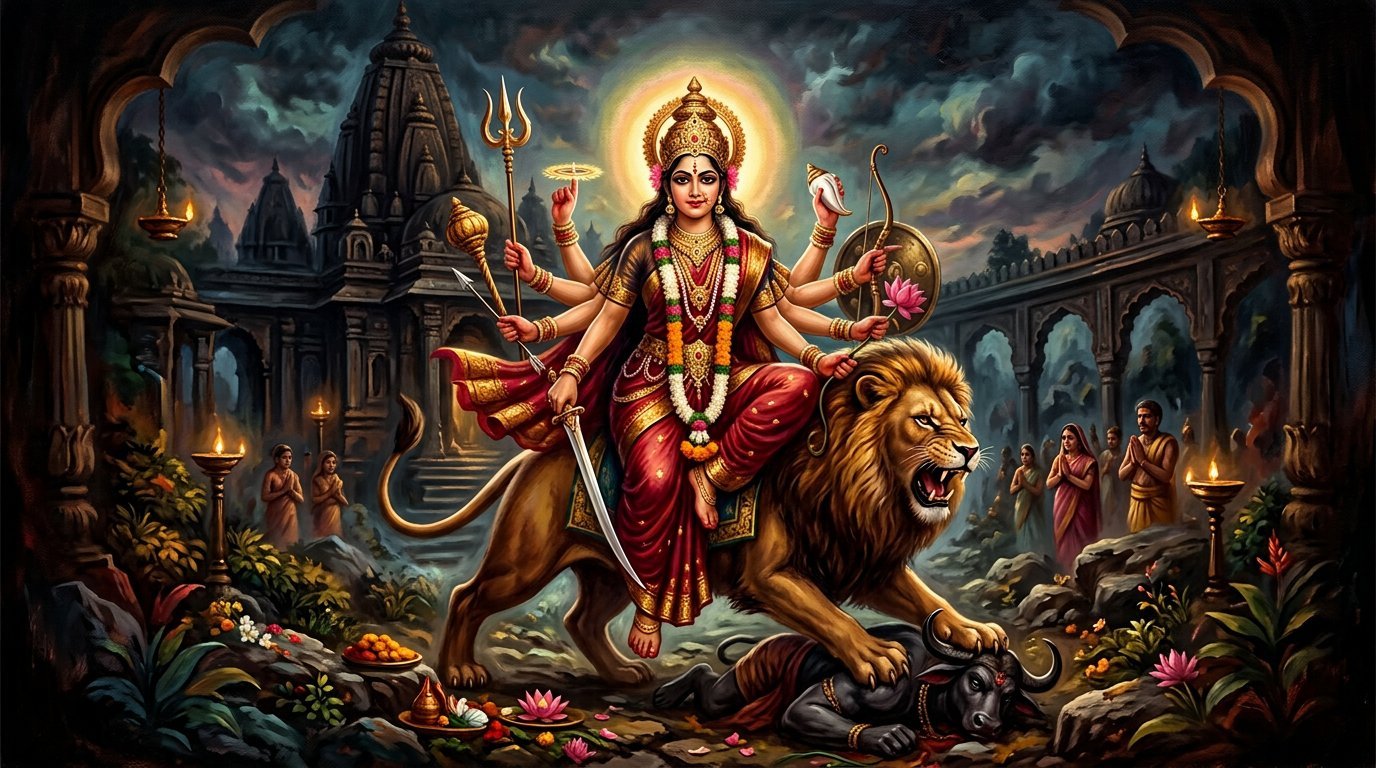
कलियुग
Also known as कलिः · Kali (the age)
Kali-yuga is the fourth and last age of the Hindu yuga-cycle (after Krita, Treta and Dvapara), in which only a quarter of dharma remains and unrighteousness grows; tradition dates its onset after Krishna's return to His abode. In the processed verses: its people are mostly short-lived, sluggish, misguided, unlucky and harassed (SB 1.1.10); Kali 'has arrived' (1.1.21) and drains men's vitality (1.1.22); the sages answered it by sitting in the long sacrifice of Hari's narrations. Hearing the Lord's glory removes its stain (1.1.16).
Śrīmad Bhāgavata Mahāpurāṇa 1.1.10 — Sanskrit Wikisource (pinned oldid=110172)
'Prayenalpayushah... mandah sumanda-matayo manda-bhagya hy upadrutah' (SB 1.1.10).
'Kalim sattva-haram pumsam' (SB 1.1.22).
The sages, 'knowing Kali has come', sat for the long sacrifice: 'kalim agatam ajnaya' (SB 1.1.21).
'ito 'rvak prayashah kalah pumsam guna-vikarshanah' (SB 1.13.28, Vidura to Dhritarashtra).
'kalasya ca gatim raudram viparyastartu-dharminah papiyasim nrinam vartam' (SB 1.14.3); dealings crooked, friendship mixed with deceit, strife among parents, brothers and couples (SB 1.14.4).
'yada mukundo bhagavan imam mahim jahau sva-tanva... tadaharevapratibuddha-cetasam adharma-hetuh kalir anvavartata' (SB 1.15.36) — the pivot of the Bhagavata's reckoning of the age.
'tam jighrikshaty adharmo 'yam anritenaidhitah kalih' (SB 1.17.25).
'dyutam panam striyah suna yatradharmash caturvidhah' (SB 1.17.38); on further entreaty gold too was given, whence falsehood, intoxication, lust, passion and enmity (SB 1.17.39).
'lobho 'nritam cauryam anaryam amho jyeshtha ca maya kalahash ca dambhah' (SB 1.17.32).
'kim nu baleshu shurena kalina dhira-bhiruna apramattah pramatteshu yo vriko nrishu vartate' (SB 1.18.8); though he had entered, he could not prevail while Parikshit ruled (SB 1.18.5).