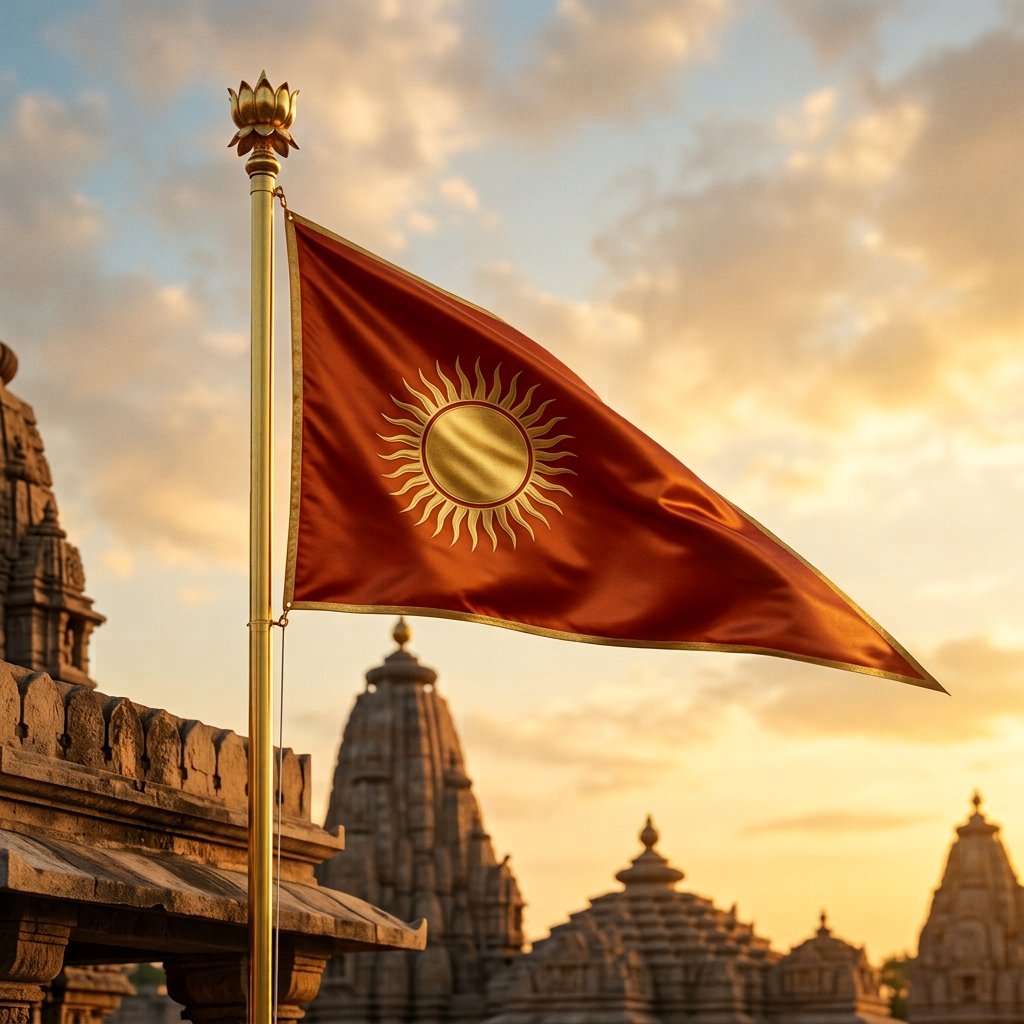
Performed three aśvamedha sacrifices
'yajayitvashvamedhais tam tribhir uttama-kalpakaih' (SB 1.8.6) — Krishna had them performed and his fame spread in all directions.
युधिष्ठिर
Also known as अजातशत्रुः · धर्मसुतः
Yudhishthira (Dharmasuta) is the eldest son of Pandu and Kunti, a portion of Dharma: the embodiment of truth and justice; emperor of Hastinapura. SB 1.7.49: 'raja dharmasuto rajnyah pratyanandad vaco dvijah' — pleased with Draupadi's righteous words.
Śrīmad Bhāgavata Mahāpurāṇa 1.7.49 — Sanskrit Wikisource (pinned oldid=110178)
Yudhishthira is the son of Kunti. Source evidence (SB 1.9.13): Yudhishthira is the son of Kunti (Pritha): at SB 1.9.13 Bhishma speaks of Pritha as the young widow with small children, and at SB 1.8.23 Kunti says 'with my sons'. Direction: son -> mother. Evidence: STRONG_CONTEXT.
Student Narada SageYudhishthira is the student of Narada. Source evidence (SB 1.13.41): Narada instructed Yudhishthira to give up grief: from 'ma kancana shuco rajan yad ishvara-vasham jagat' (SB 1.13.41) to the account of Dhritarashtra's yogic end; taking his words to heart, Yudhishthira abandoned sorrow (SB 1.13.60). Direction: instructor -> instructed. Evidence: EXPLICIT.
Student Bhishma KingYudhishthira is the student of Bhishma. Source evidence (SB 1.9.27): Bhishma instructed Yudhishthira from the bed of arrows in the whole range of dharma: charity, kingship, liberation, women's duties and devotion to the Lord (SB 1.9.25-28). Direction: teacher -> taught. Evidence: EXPLICIT.
Son Pandu KingYudhishthira is the son of Pandu. Source evidence (SB 1.9.13): Yudhishthira is the son of Pandu: SB 1.9.13 'samsthite 'tirathe pandau' and SB 1.8.7 'pandu-putran'. Direction: son -> father. Evidence: EXPLICIT.
'yajayitvashvamedhais tam tribhir uttama-kalpakaih' (SB 1.8.6) — Krishna had them performed and his fame spread in all directions.
'bala-dvija-suhrin-mitra-pitri-bhratri-guru-druhah na me syan nirayan moksho hy api varshayutayutaih' (SB 1.8.49); even the scriptural ruling fails to console him (SB 1.8.50).
'muni-gana-nripa-varya-sankule 'ntah sadasi yudhishthira-rajasuya esham arhanam upapeda' (SB 1.9.41).
'cakara rajyam dharmena pitri-paitamaham vibhuh' (SB 1.9.49) — permitted by Dhritarashtra and approved by Vasudeva.
'kamam vavarsha parjanyah sarva-kama-dugha mahi' (SB 1.10.4); no mental distress, disease or affliction — the three tapas were absent (SB 1.10.6).
'nihsprihah sarva-kamebhyah krishna-padanusevaya' (SB 1.12.4); enjoyments coveted even by gods gave him no joy (SB 1.12.6).
'raja labdha-dhano dadhyau anyatra kara-dandayoh' (SB 1.12.32); his brothers, urged by Acyuta, brought wealth from the north (SB 1.12.33).
Portents of sky, earth and body (SB 1.14.10); the jackal howling at the sun, rain of blood, the trembling earth, cows yielding no milk (SB 1.14.12-19); recalling the divine sage Narada's words (SB 1.14.8).
'pure ca rashtre ca grihe tathatmani vibhavya lobhanrita-jihma-himsanady-adharma-cakram gamanaya paryadhat' (SB 1.15.37).
The Lord established Dharmaja in his own sovereignty and had Dharmasuta perform three horse-sacrifices; protecting the earth with his followers and devoted to Krishna, he delighted (SB 3.3.16, 18).
Yudhishthira is the eldest Pandava. Evidence: STRONG_CONTEXT.
Yudhishthira worshipped Hari with three horse-sacrifices to expiate the injury to his kinsmen: 'vajimedhais tribhir bhito yajnaih samayajad dharim' (SB 1.12.34). Evidence: EXPLICIT.