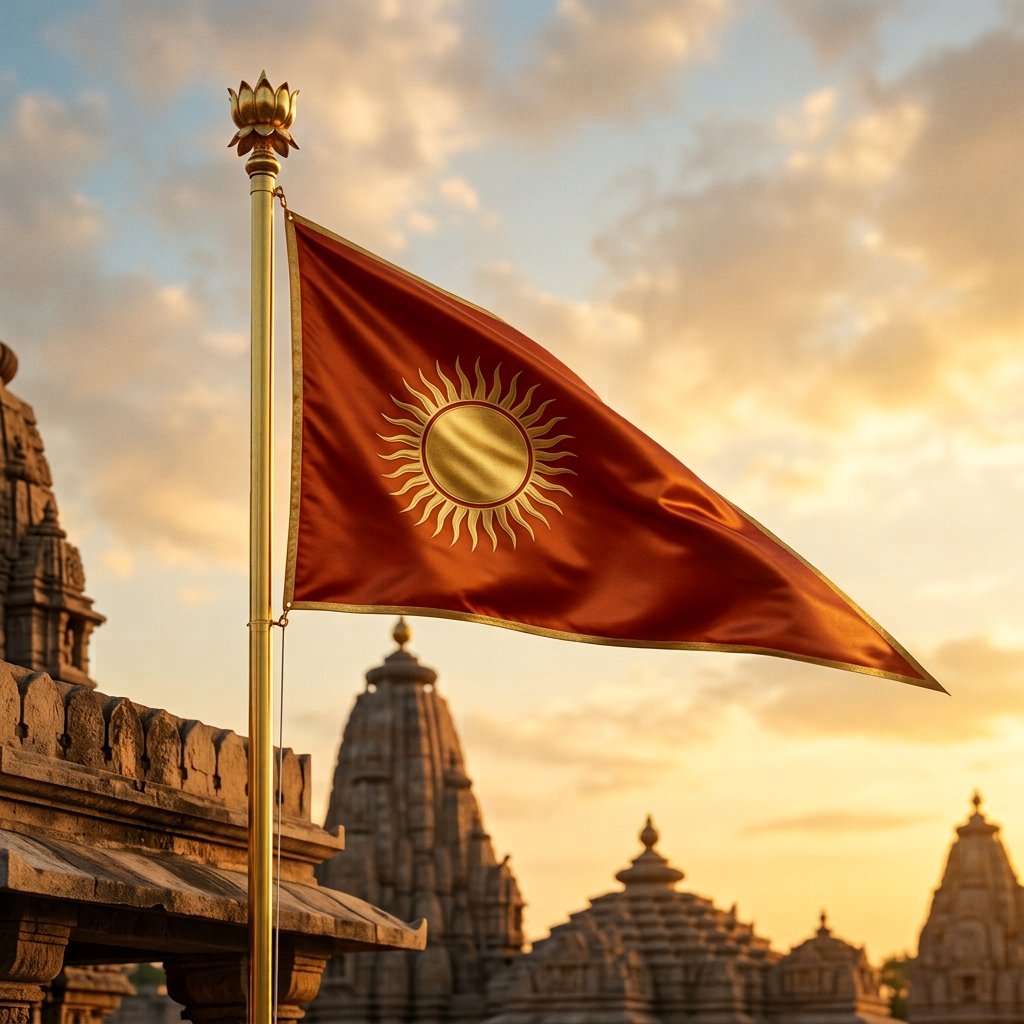
Maharaja awaiting death on the Ganga, ringed by seers, after Krishna's departure
'Prayopavistam gangayam paritam paramarsibhih krishne sva-dhamopagate' (SB 1.3.43).
महाराज परीक्षित
Also known as सम्राट् · भागवतोत्तमः · विष्णुरातः · औत्तरेयः · मानवर्धनः · विष्णुरात · Vishnurata
Maharaja Parikshit, son of Abhimanyu, is the last great emperor of the Kuru line: cursed by Takshaka, he sat on the Ganga's bank to hear the entire Bhagavata from Śukadeva. SB 1.4.9: 'abhimanyu-sutam... bhāgavatottamam'; 1.4.10: 'pāṇḍūnāṁ mānava-vardhanaḥ'.
Śrīmad Bhāgavata Mahāpurāṇa 1.3.42 — Sanskrit Wikisource (pinned oldid=369178)
Maharaja Parikshit is a descendant of Pandu. Source evidence (SB 1.12.12): Parikshit is the heir of Pandu's line: 'jajne vamsha-dharah pandoh bhuyah pandur ivaujasa' (SB 1.12.12), in vigour like Pandu come again. Direction: descendant -> ancestor. Evidence: EXPLICIT.
Husband Iravati HumanMaharaja Parikshit is the husband of Iravati. Source evidence (SB 1.16.2): Parikshit married Iravati, the daughter of Uttara: 'sa uttarasya tanayam upayema iravatim' (SB 1.16.2). Evidence: EXPLICIT.
Son Abhimanyu KingMaharaja Parikshit is the son of Abhimanyu. Source evidence (SB 1.4.9): Parikshit is Abhimanyu's son: 'abhimanyu-sutam' (SB 1.4.9). Evidence: EXPLICIT.
Student Suka SageMaharaja Parikshit is the student of Suka. Source evidence (SB 1.12.28): As the brahmanas foretold, Parikshit would learn the truth of the Self from the sage, son of Vyasa: 'jijnasitatma-yatharthyo muner vyasa-sutad asau' (SB 1.12.28). Direction: pupil -> teacher. Evidence: EXPLICIT.
Father Janamejaya KingMaharaja Parikshit is the father of Janamejaya. Source evidence (SB 1.16.2): Janamejaya is Parikshit's son: 'janamejayadims caturas tasyam utpadayat sutan' (SB 1.16.2), the first of four sons born of Iravati. Direction: son -> father. Evidence: EXPLICIT.
Son Uttara HumanMaharaja Parikshit is the son of Uttara. Source evidence (SB 1.8.14): Parikshit is the son of Uttara: at SB 1.8.14 Hari shields her womb, and that embryo is born as Parikshit. Direction: son -> mother. Evidence: STRONG_CONTEXT.
'Prayopavistam gangayam paritam paramarsibhih krishne sva-dhamopagate' (SB 1.3.43).
'angushtha-matram amalam sphurat-purata-maulinam... gada-panim' (SB 1.12.8-9); the Lord dispelled the weapon's effulgence with His mace as the sun dispels mist (SB 1.12.10).
'purvam drishtam anudhyayan pariksheta nareshv iha' (SB 1.12.30) — the etymology of the name Parikshit.
'rato vo 'nugrahartaya vishnuna prabhavishnuna... tasman namna vishnurata iti' (SB 1.12.16-17); foretold to be a great devotee.
'tatah parikshid dvija-varya-shikshaya mahim mahabhagavatah shasasa ha' (SB 1.16.1) — as the astrologers had foretold at his birth (SB 1.12.19-28).
'ajaharashvamedhams trin gangayam bhuri-dakshinan sharadvatam gurum kritva' (SB 1.16.3) — where the gods became visible to the eye.
'sharanyo navadhic chlokyah' (SB 1.17.30); Kali himself asked for a place and dwelt under his direction (SB 1.17.37, 40) — adharma regulated rather than abolished.
'vrishasya nashtams trin padan... pratisandadhe ashvasya mahim ca samavardhayat' (SB 1.17.42).
'ittham-bhutanubhavo 'yam abhimanyu-suto nripah' (SB 1.17.45); 'auttareyena dattani' (SB 1.17.40).
'na sammumohoru-bhayad bhagavaty arpitashayah' (SB 1.18.2); casting off attachment he gave up the body on the Ganga (SB 1.18.3).
'nanudveshti kalim samrat saranga iva sarabhuk' (SB 1.18.7) — for in this age good works quickly bear fruit.
'abhuta-purvah sahasa kshut-tridbhyam arditatmanah... matsaro manyur eva ca' (SB 1.18.29); Shamika too said, 'afflicted by hunger, thirst and fatigue, he in no way deserved a curse from us' (SB 1.18.46).
'sa sadhu mene na cirena takshakanalam prasaktasya virakti-karanam' (SB 1.19.4); 'nirveda-mulo dvija-shapa-rupo' (SB 1.19.14) — the curse read as the Lord's grace.
'punash ca bhuyad bhagavaty anante ratih prasangash ca tad-ashrayeshu... maitry astu sarvatra namo dvijebhyah' (SB 1.19.16).
'dvijopasrishtah kuhakas takshako va dashatv alam gayata vishnu-gathah' (SB 1.19.15).
'tavapy etarhi kauravya saptaham jivitavadhih' (SB 2.1.14); called ample beside Khatvanga's single muhurta (SB 2.1.13).
'bala-kridanakaih kridan krishna-kridam ya adade' (SB 2.3.15) — continuing from the vision in the womb (SB 1.12.7-11).
'atma-jayasutagara-pashu-dravina-bandhushu, rajye cavikale nityam virudham mamatam jahau' (SB 2.4.2); renouncing the trivarga he reached firm self-feeling in Vasudeva (SB 2.4.4).
'na me 'savah parayanti brahmann anashanad ami, pibato 'cyuta-piyusham anyatra kupitad dvijat' (SB 2.8.26).
Parikshit is 'pāṇḍūnāṁ mānava-vardhanaḥ' (SB 1.4.10). Evidence: STRONG_CONTEXT.
Parikshit sat in prayopavesha on the Ganga, surrounded by paramarshis: 'prayopavistam gangayam paritam paramarsibhih' (SB 1.3.43). Evidence: EXPLICIT.
Parikshit, while still in the womb, beheld the thumb-sized four-armed Person dispelling the weapon's effulgence with His mace: 'dadarsha purusham kancid dahyamano 'stra-tejasa' (SB 1.12.7-10). Meditating on that vision gave him the name Parikshit (SB 1.12.30). Evidence: EXPLICIT.
The brahmanas foretold Parikshit's death from Takshaka, sent by a brahmana's son's curse: 'takshakad atmano mrityum dvija-putropasarjitat' (SB 1.12.27). Direction: victim -> slayer. Evidence: EXPLICIT (as prophecy).
The brahmanas said Parikshit would subdue Kali for the sake of the earth and dharma: 'nigrahita kaler esha bhuvo dharmasya karanat' (SB 1.12.26) — fulfilled in SB 1.16-17. Evidence: EXPLICIT (as prophecy).
Yudhishthira consecrated Parikshit at Hastinapura as lord of the sea-girt earth: 'toya-nivyah patim bhumer abhyashincad gajahvaye' (SB 1.15.38). Evidence: EXPLICIT.
Parikshit forcibly seized Kali, disguised as a king and kicking a cow and bull, during his conquest of the quarters: 'nijagrahaujasa virah kalim digvijaye kvacit' (SB 1.16.4) — the fulfilment of the prophecy at SB 1.12.26. Direction: subduer -> subdued. Evidence: EXPLICIT.
Parikshit did not kill the surrendered Kali: 'patitam padayor virah kripaya dina-vatsalah sharanyo navadhit' (SB 1.17.30) — the surrendered may not be slain (cf. SB 1.7.36). Direction: sparer -> spared. Evidence: EXPLICIT.
Parikshit restored the three lost feet of the bull of Dharma — austerity, purity and compassion: 'vrishasya nashtams trin padan tapah shaucham dayam iti pratisandadhe' (SB 1.17.42). Direction: restorer -> restored. Evidence: EXPLICIT.
Parikshit reassured the Earth and made her prosper: 'ashvasya mahim ca samavardhayat' (SB 1.17.42); earlier, 'ma rodir amba bhadram te' (SB 1.17.9). Direction: reassurer -> reassured. Evidence: EXPLICIT.
Parikshit, afflicted by hunger and thirst, placed a dead snake on the shoulder of the meditating Shamika: 'sa tu brahma-rsher amse gatasum uragam rusha... nidhaya puram agat' (SB 1.18.30); such anger in him was 'unprecedented' (SB 1.18.29). Direction: offender -> offended. Evidence: EXPLICIT.
Parikshit put to Suka the question the whole Bhagavata answers: 'what in every way ought a man who is dying to do here?' (SB 1.19.37) and 'what should men hear, mutter, do, remember and worship?' (SB 1.19.38). Direction: questioner -> answerer. Evidence: EXPLICIT.
Parikshit sat to fast unto death on the southern bank of the Ganga: 'upavishat prayam amartya-nadyam' (SB 1.19.5); 'udan-mukho dakshina-kula aste samudra-patnyah' (SB 1.19.17), having laid his burden on his son. Evidence: EXPLICIT.