Deities and sacred beings
Deities, sages, kings, places and principles compiled from the Puranas. Search, filter and open each profile.
320 beings · page 3 of 16
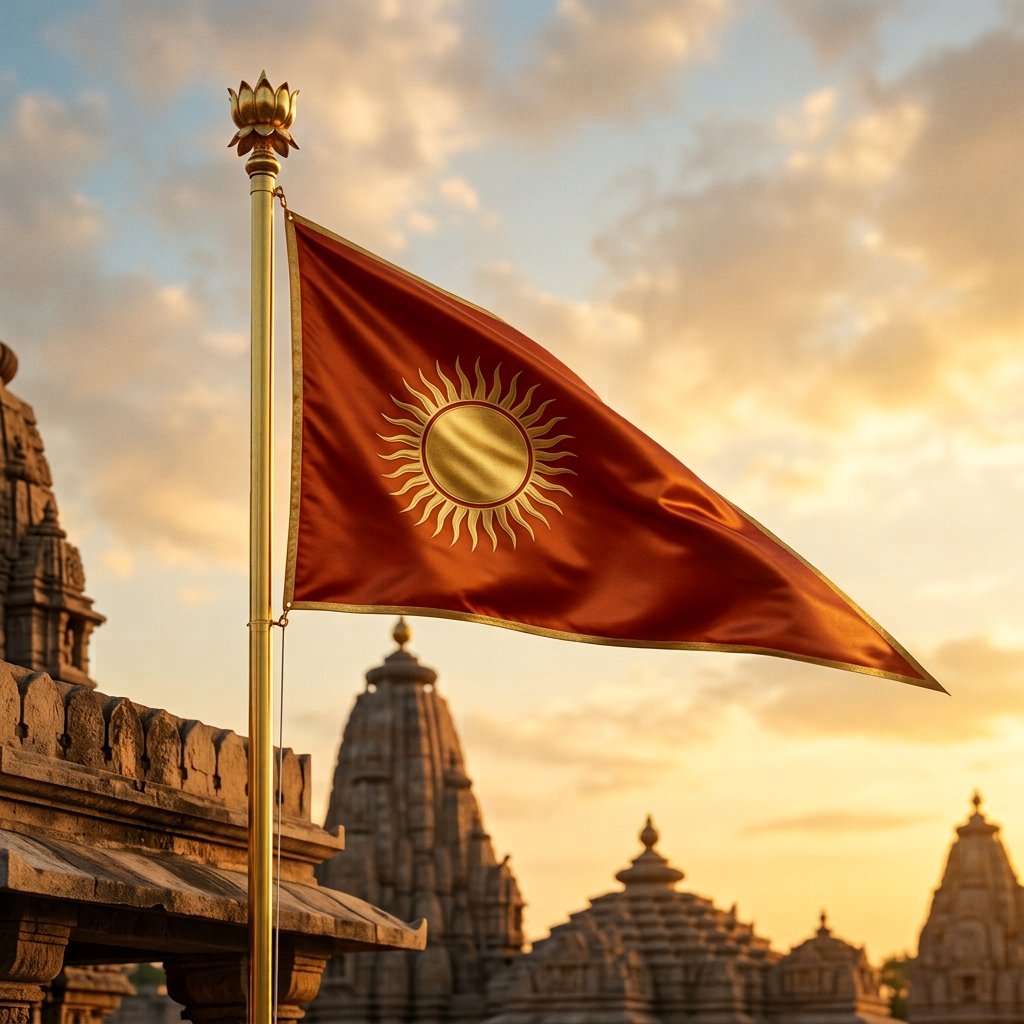
Satvatas
सात्वत (यादव कुल)The Satvatas are the devout Yadu-clan — of the Vrishni tradition — whose lord is Krishna Himself; in Bhagavata usage 'Satvata' came to denot…
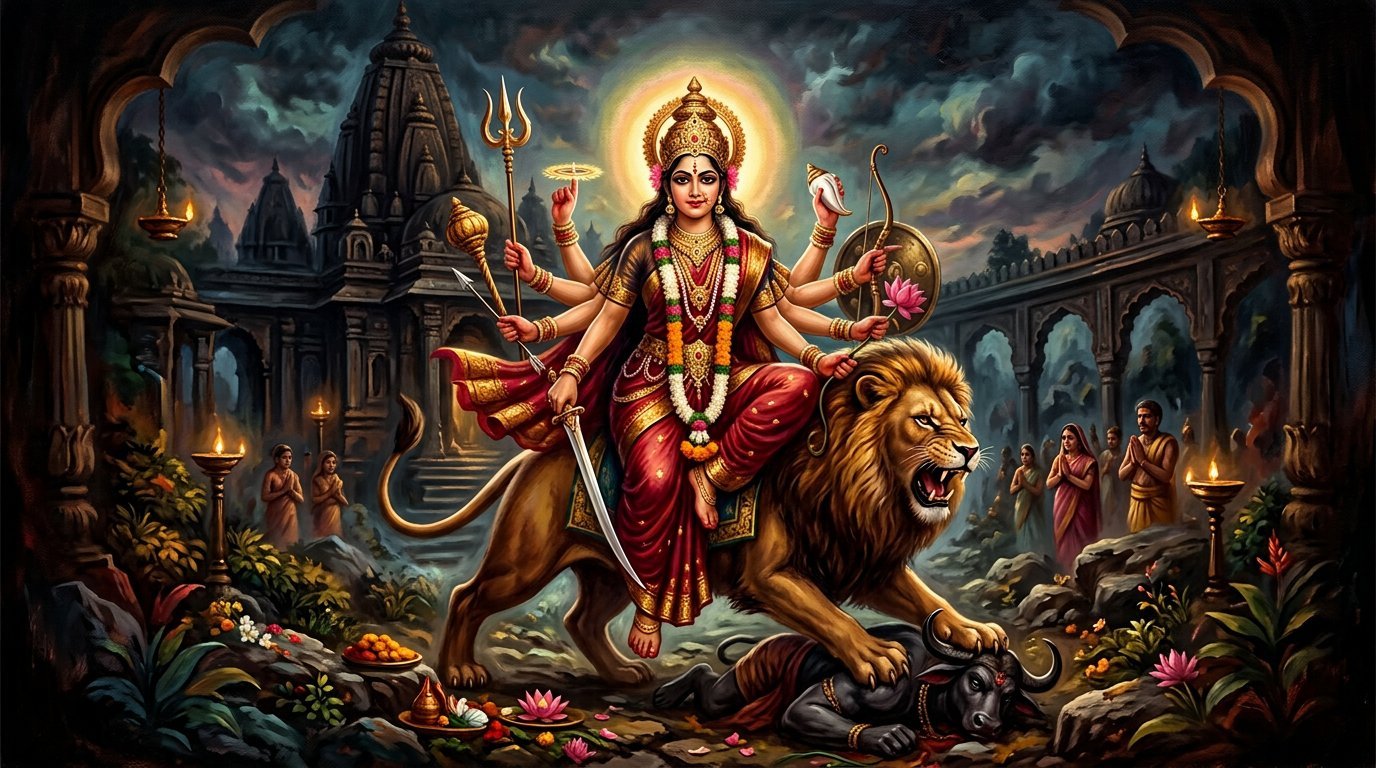
Kali-yuga
कलियुगKali-yuga is the fourth and last age of the Hindu yuga-cycle (after Krita, Treta and Dvapara), in which only a quarter of dharma remains and…
Samsara
संसारSamsara (samsriti) is a foundational conception of Hindu philosophy: the beginningless cycle of birth and death through which the jiva wande…
Ganga
गंगाThe Ganga (sva-dhuni, 'the celestial stream') is India's holiest river, rising in the Himalaya (Gaumukh/Gangotri) and meeting the Yamuna at …
Dharma
धर्मDharma is the master-concept of Indian thought: the ordering law and sense of rightness that sustains the person, society and cosmos — used …
Romaharshana
रोमहर्षणRomaharshana is a disciple of Vyasa, father of Suta; first custodian of the Itihasas and Puranas: 'itihasa-purāṇānāṁ pitā me romaharṣaṇaḥ' (…
Nara
नरNara is the ancient ascetic sage — one of the celebrated tapasvi pair 'Nara-Narayana' of Badarikashrama — of whom the Mahabharata tradition …
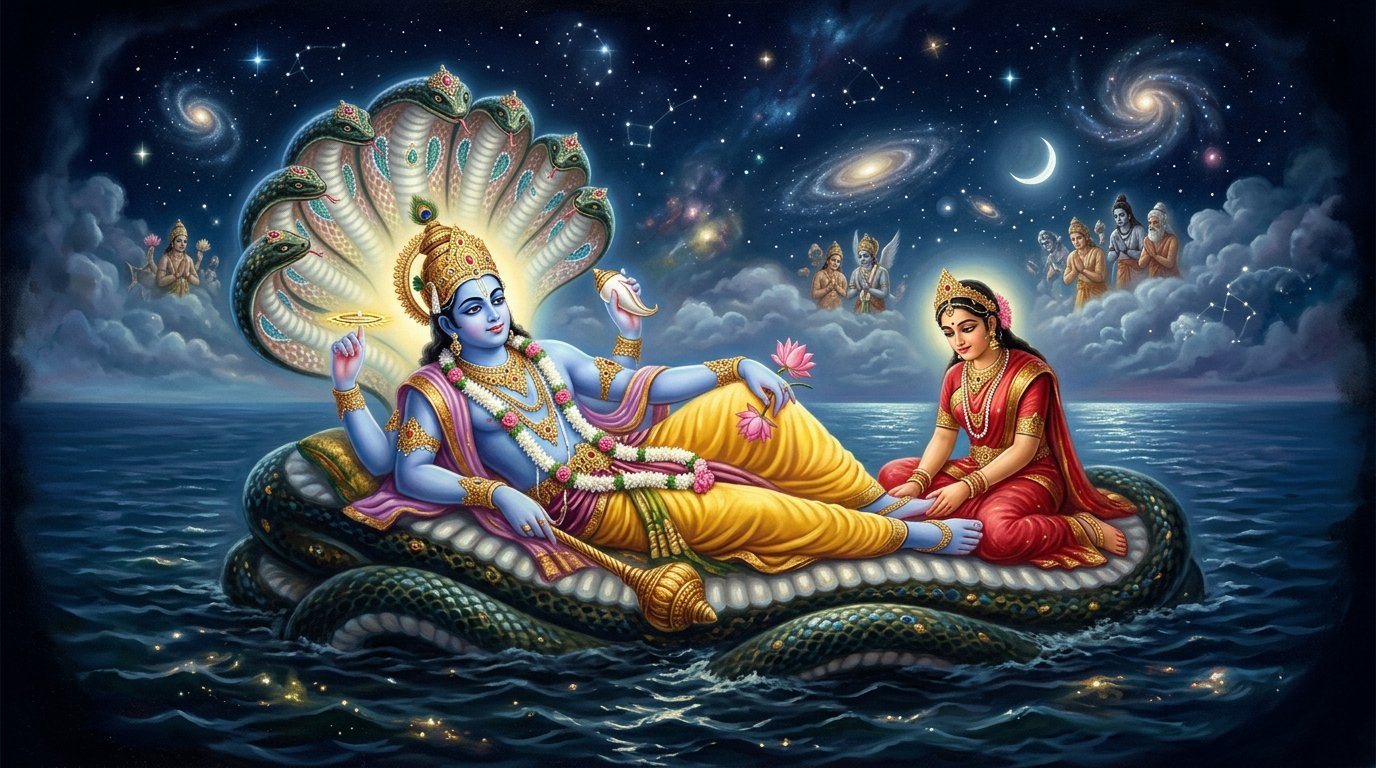
Narayana
नारायणNarayana is (a) as a sage: the second member of the tapasvi pair with Nara of the Badari hermitage; (b) as the Lord: a supreme name of Vishn…
Jaya
जय'Jaya' is the ancient name of the Mahabharata (the 'poem of victory', so cited within the epic itself). SB 1.2.4 enjoins that after bowing t…
Bhakti
भक्तिBhakti is loving self-surrender to the Supreme: the crown of all dharmas in the Bhagavata. In SB 1.5: even falling immature in bhakti causes…
Vairagya
वैराग्यVairagya is dispassion — freedom of the heart from attachment and aversion toward the non-self — a cornerstone of Indian spiritual disciplin…
Jnana
ज्ञानJnana is knowledge of reality — in Vedanta, the direct realization of the self as Brahman that destroys ignorance and grants liberation; it …
Artha
अर्थArtha is the third of the four purusharthas (dharma, artha, kama, moksha): material well-being, wealth and orderly prosperity, with which th…
Kama
कामKama is desire and enjoyment — the third purushartha — also famed as the Vedic love-god Kama-deva. The processed verses define its disciplin…
Jiva (the living being)
जीवThe jiva is the soul as wanderer in transmigration: the conscious witness that, bound by karma, cycles through birth and death until self-re…
Moksha
मोक्षMoksha (apavarga) is the fourth and supreme purushartha: eternal release from the bondage of samsara, reckoned by the Indian schools as life…
Brahman
ब्रह्मBrahman is the supreme Reality of the Upanishads and Vedanta — 'satyam jnanam anantam': the one attributeless existence-consciousness-bliss …
Paramatman
परमात्माParamatman is the supreme Self indwelling all: in Vedanta, the Lord's form present within every heart and atom as witness (the saguna face o…
Varnashrama-dharma
वर्णाश्रम धर्मVarnashrama-dharma is the Vedic social order: the four varnas and four ashramas, each with its own duty, as codified in the smriti literatur…
Karma
कर्मKarma is the central Indian conception of action and its consequence, binding the soul to rebirth; the term covers both Vedic ritualism and …